Flea and Tick Season in New York City: Protect Your Family and Pets
Flea and tick activity in New York City, NY runs from March through November, with peak risk in late spring and early fall. Learn how to protect your yard, pets, and family throughout the season.
When Flea and Tick Season Begins in New York City, NY
New York City's climate supports flea and tick activity from early March through November, with two distinct peak windows: late spring (April through June) when nymphal ticks are most active, and early fall (August through October) when adult ticks are at their highest density. New York City, NY's proximity to the Van Cortlandt Park and abundant deer population in eastern townships — particularly The Bronx, Pelham Bay, and Mott Haven — creates sustained deer tick (black-legged tick) pressure throughout the season.
Tick Species in New York City, NY and the Diseases They Carry
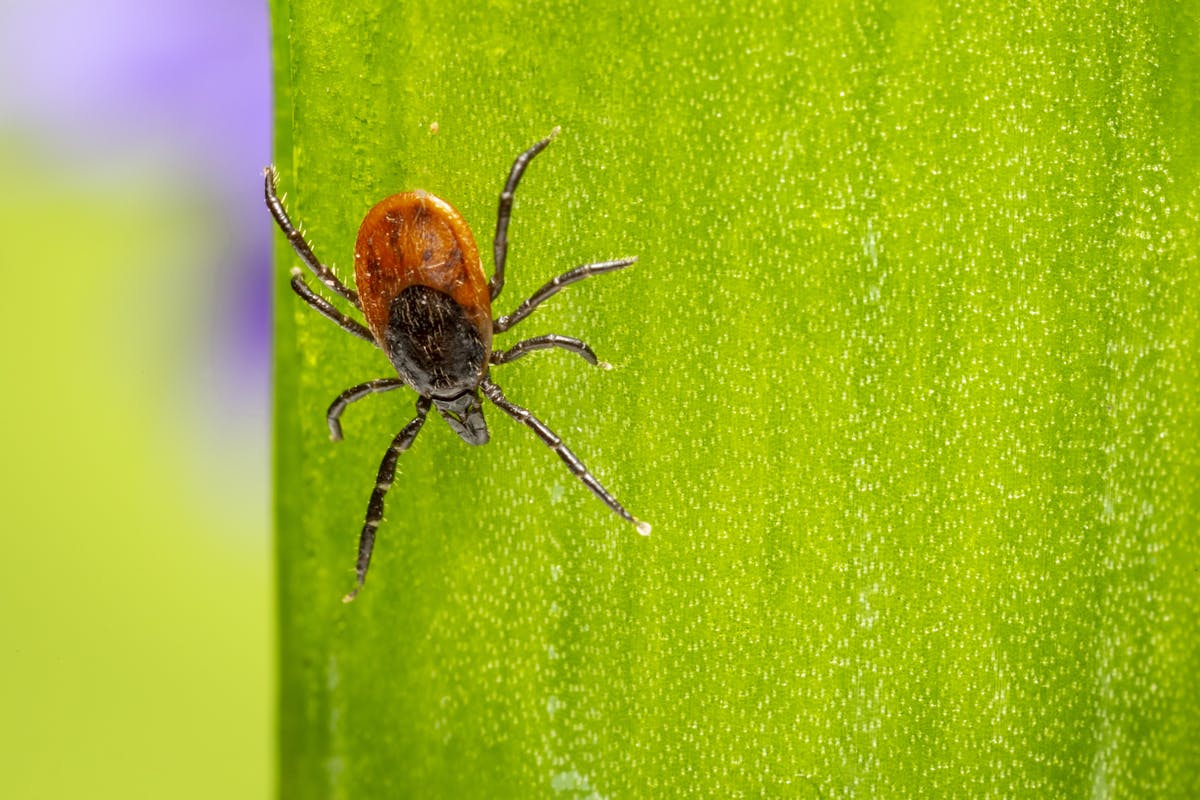
Deer ticks (Ixodes scapularis) are the primary Lyme disease vector in New York. New York City, NY is within the state's highest-risk zone for Lyme disease transmission. Nymphal deer ticks are the size of a poppy seed — many bites go unnoticed, which is why environmental tick management in your yard matters as much as personal repellent use.
American dog ticks are larger and more visible but carry Rocky Mountain spotted fever. They are common along the lawn and vegetation borders typical of New York City, NY's suburban yards.
Lone star ticks are expanding their range northward into New York City and have been documented in New York City, NY. Their aggressive host-seeking behavior makes encounters with them more likely than with deer ticks.
Flea Pressure in New York City
Cat fleas are the species responsible for nearly all household infestations across New York City, NY regardless of whether you have a cat. They arrive on dogs, wildlife passing through the yard, and occasionally on clothing. Once established indoors, flea eggs fall from pets into carpet and upholstery where they develop through larval and pupal stages — a cycle that continues for months without targeted treatment. Flea infestations in Park Slope, Midtown Manhattan, and Staten Island typically peak in August and September.
Protecting Your Yard: Professional Tick and Flea Treatment
The tick and flea management strategies that make the most difference focus on the yard border where turf meets vegetation:
- Barrier spray treatments applied to tall grass, brush edges, and wooded borders kill questing ticks and fleas on contact with a residual effect lasting three to four weeks
- Monthly yard treatments from April through October maintain effective suppression throughout the active season
- Reducing deer habitat attractants (bird feeders, ornamental plantings deer prefer) lowers tick introduction to your property
Protecting Pets and Family Members
Year-round veterinarian-prescribed flea and tick prevention for all pets is non-negotiable in New York City, NY. Check yourself, children, and pets for ticks after any time in tall grass or wooded areas. Remove ticks promptly using fine-tipped tweezers, grasping the tick as close to the skin as possible and pulling straight out. Shower within two hours of outdoor activity to wash off unattached ticks and check hair, underarms, and behind knees.
Protect your family and pets this season. Call NYC Pest Control Near Me at (917) 203-6158 to schedule yard tick and flea treatment for your The Bronx, Park Slope, Midtown Manhattan, or Staten Island property.